Integrating Biometric Security System in Smart Homes
Author: Arshita Tiwari on Oct 17,2025
Smart homes aren’t futuristic anymore, they’re a part of everyday life. From connected locks to voice assistants, everything revolves around convenience. But the smarter our homes get, the more they need stronger protection. Passwords can be guessed, keys can be lost. That’s where a biometric security system steps in.
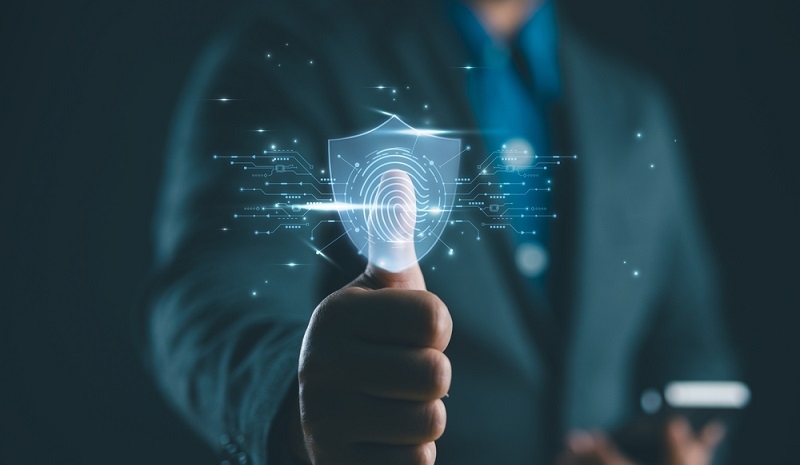
Biometrics takes security from something you remember to something you are. Your fingerprint, your face, or your voice becomes your key. When paired with smart home tech, it creates a level of security that’s not only safer but effortless.
Why Smart Homes Need Biometric Security
Your residence isn’t merely a location for living, it’s the junction of your whole digital and physical life. As residences get smarter, the demand for equally smart security goes up.
Stronger Protection That Feels Natural
The time of passwords and PINs is over. They can easily be shared or stolen. A biometric security system operates on your unique traits, your fingerprint, your face, your eye, and therefore duplication is nearly impossible.
Moreover, it is absolutely seamless. No codes, no keys. You just need to touch, look, or talk, and your system acknowledges your presence. This is where biometrics and security shake hands, with convenience of unmatched safety.
Personalized Access Control
You, with biometric security measures, identify who enters and at what times. Well, your cleaner may be allowed to come only on Mondays. The kids can open the front door but not the safe. Guests get temporary access that automatically expires. Each entry is authenticated, not guessed.
Complete System Integration
Your locks, alarms, and cameras can all communicate through one verified profile. A single scan could unlock the door, disarm alarms, and adjust lighting. That’s the power of connected biometric security systems.
How a Biometric Security System Fits into Smart Homes
Integrating biometrics doesn’t mean replacing everything you own, it means adding smarter access control.
Step One: Enrollment
Every single family member has to register their fingerprint, face, or iris. The data is encrypted version and stored either at a local site or in an ultra-secure cloud.
Step Two: Authentication
At the entry point, the scanner checks the person's data against the stored templates. If it matches, the system allows entry; otherwise, alerts might be raised automatically.
Step Three: Integration
Your smart home hub is the link that connects all apparatus and handles communication with the biometric system. Numerous arrangements are also capable of recognizing multi-modal biometrics, such as blending a fingerprint and a face scan.
Step Four: Backup Access
Even the best biometric security systems include a backup: a PIN, mobile app approval, or a key, just in case.
Real Use Cases at Home
Biometric security isn’t just theory; it’s already making everyday life easier and safer in multiple ways.
Smart Door Locks
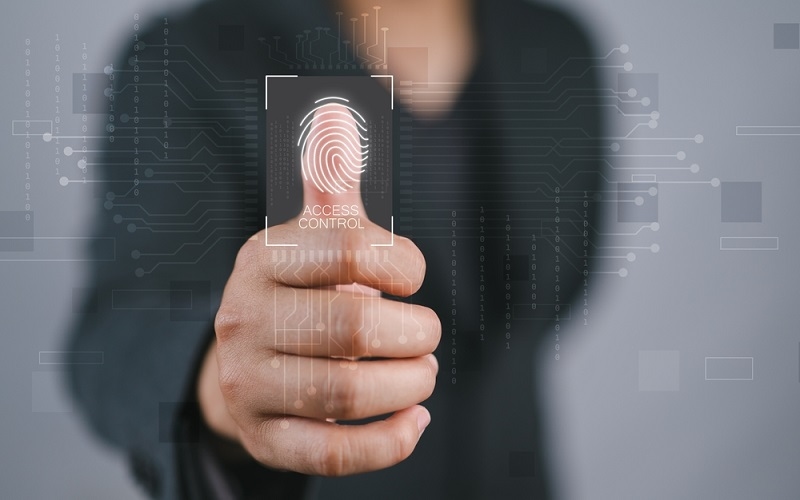
Your fingerprint becomes your key. No need to carry anything. The system connects to your smart home and grants access only to verified users.
Safes and Restricted Areas
Biometric security measures can protect safes or private offices. Each access attempt is recorded, keeping your data and valuables secure.
Smart Cameras and Alarms
If an unrecognized person tries to enter, cameras activate and alerts are sent. If it’s you, alarms deactivate automatically.
Personalized Environments
A biometrics security system can also personalize your experience — lights, temperature, even playlists adjust the moment it identifies you.
The Real Challenges of Biometrics
Even the smartest systems have blind spots. Though biometrics make security more personal and reliable, it is still not flawless. Knowing its weak points helps you to get ready, not to be afraid.
Spoofing and Fake Attempts
Some individuals attempt to deceive scanners with imitation prints or pictures. Therefore, the latest systems incorporate “liveness detection” to confirm blood circulation and movement.
Privacy Concerns
Biometric data is personal. To stay safe, choose systems that encrypt and store data locally instead of uploading it to the cloud.
Technical Glitches
Lighting, sensor dust, or injuries can affect scans. Reliable biometric security systems handle errors smoothly and offer quick re-enrollment.
Power and Connectivity
During power cuts or outages, a backup key or PIN ensures authorized access continues.
Appropriately installing biometrics is crucial because it makes the distinction between a system that merely functions and one that feels carefree. A few straightforward steps can guarantee that your intelligent home remains secure while not introducing any complexity.
Choose the Right Type
Fingerprint scanners are fast and small. Facial recognition is contactless. Palm or vein sensors are extremely accurate. Pick one — or combine two.
Keep Data Local
Local storage gives faster access and better control. Matching happens instantly within your network.
Test and Update
Enroll all users and test in different lighting or angles. Update firmware regularly and remove old profiles.
Respect Privacy
If others are enrolled, explain how their data is stored. Transparency keeps everyone comfortable.
The Future of Biometric Smart Homes
The future of biometrics and security is all about context. Your home will soon recognize who’s inside using subtle patterns, like how you walk or speak.
AI-powered on-device processing is making systems faster and more private. Soon, biometric sensors will be built into handles, mirrors, and appliances, security you don’t even notice.
Adaptive biometrics will take things further, tightening security automatically when you’re away or at night. Protection that adjusts to real life.
A biometric security system turns protection into something personal. Your identity becomes your password. Integrated with smart devices, it builds a home that recognizes and responds to you.
Challenges exist, but the payoff, safety, control, and simplicity is worth it. Biometric security systems make every action intentional and every entry secure.
If you want real protection, move beyond keys and codes. Biometrics offer something no password can, a home that trusts only you.