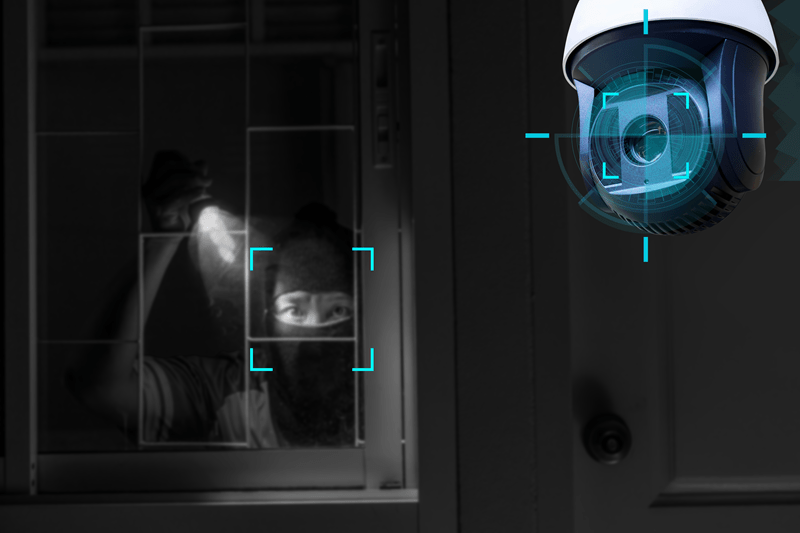
Home safety does not stay the same once the sun goes down. Visibility drops, surroundings get quieter, and small oversights start to matter more. What feels safe during the day can become a weak spot at night, especially when seasonal time changes push darkness earlier into the evening.
This article focuses on home safety at night, how time change home safety plays a role, and what steps make a real difference. No exaggeration. Just the things that help reduce risk when daylight is gone.
Home Safety at Night Is About Conditions, Not Fear
Most homes are not unsafe by default. Problems usually start when conditions change and habits stay the same. Darkness limits what you can see from inside and outside the house. Fewer people are around. Sounds travel differently. All of this affects home security at night whether you think about it or not.
Nighttime also overlaps with routines like returning from work, taking out trash, or letting pets outside. These moments often happen quickly, without much attention. That is where gaps show up.
Home safety at night improves when you plan for those conditions instead of assuming daytime rules still apply.
How Time Change Alters Nighttime Safety
The impact of time change on safety is easy to overlook. When daylight saving time ends, evenings become dark earlier. People still follow the same schedules, but now they are doing those things in low light.
This affects:
- When lights should turn on
- When doors should be locked
- How visible your home is from the street
- How alert people feel during evening hours
Time change home safety issues show up most in the first few weeks. People forget to adjust timers, lighting, and habits. Homes sit in darkness longer while still appearing active.
Security providers like Brinks Home point out that early evening darkness increases exposure because activity is still high while visibility is low. That overlap matters.
Home Safety at Night Starts With Visibility
Exterior lighting is not optional
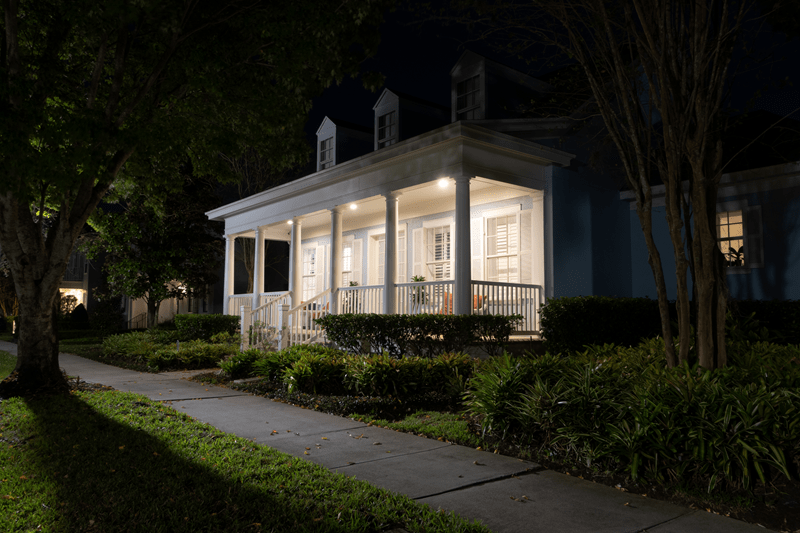
Lighting is one of the simplest ways to improve home safety at night. Dark entry points make it easier for someone to approach unnoticed and harder for residents to see what is happening outside.
Focus on:
- Front and back doors
- Garage entrances
- Side yards and walkways
- Driveways and gates
Motion lights help, but steady lighting near doors is just as important. During daylight saving time safety transitions, lighting schedules often need adjustment. If lights still turn on based on old sunset times, you are leaving gaps.
Visibility also prevents accidents
Home security at night is not only about intruders. Poor lighting increases trips, falls, and vehicle accidents on residential property. Clear lighting reduces both safety and security issues.
Doors and Windows Matter More After Dark
Most break ins happen through unlocked or weak entry points. At night, these risks increase because activity is harder to notice.
Basic steps that improve home security at night:
- Lock all exterior doors before sunset, not before bed
- Check basement and side windows regularly
- Secure sliding doors with proper locks
- Treat garage access doors like front doors
Time change home safety often fails here. People delay locking doors because it still feels like evening, even though it is already dark outside.
That habit gap is avoidable.
Night Home Security Tips That Hold Up in Real Life
Not every tip is useful. These night home security tips focus on things that actually reduce risk.
Use light timers instead of memory:Timers remove guesswork. When daylight saving time safety changes happen, adjust timers immediately so lighting matches reality, not habit.
Keep security cameras visible: Visible cameras discourage activity more than hidden ones. Night vision matters, but placement matters more.
Trim landscaping near entry points: Overgrown bushes near windows or doors create blind spots. Clear lines of sight make a noticeable difference.
Secure garages properly: Garages are often targeted because they feel separate. Lock them consistently and never leave access doors unsecured.
Create a simple nighttime routine; Lock doors. Turn on lights. Check alerts. Consistency matters more than adding new tools.
These night home security tips work because they support habits, not technology alone.
Daylight Saving Time Safety Affects People, Not Just Homes
Daylight saving time safety is often discussed in terms of schedules, but the bigger issue is alertness. Time changes disrupt sleep, which affects awareness and reaction time.
Common issues during time shifts:
- Forgetting to turn on lights
- Missing alerts or notifications
- Delayed response to unusual sounds
- Reduced focus when arriving home after dark
These human factors directly affect home safety at night. Good security setups assume people will occasionally be tired or distracted and compensate for that.
Technology Helps, But It Is Not the Fix
Smart security systems help most during night hours. Motion sensors, door alerts, and monitoring services add coverage when residents are asleep or distracted.
Useful features for home security at night include:
- Real time motion alerts
- Door and window sensors
- Night vision cameras
- Professional monitoring support
Security companies like Brinks Home highlight that monitored systems improve response when homeowners are unaware of activity. That matters most at night.
Technology works best when it backs up solid routines.
Neighborhood Awareness Still Matters
Homes are safer when neighbors pay attention. Quiet streets at night make unusual activity easier to spot if people are aware.
Helpful habits include:
- Coordinated lighting patterns
- Watching deliveries during evening hours
- Checking on empty homes
- Reporting unusual behavior early
Community awareness supports home safety at night, especially after time changes when routines shift for everyone.
Preparing for Time Changes Before They Happen
The impact of time change on safety is predictable. Preparation prevents problems.
Before each time change:
- Adjust light timers
- Test outdoor bulbs
- Check locks and sensors
- Review nighttime routines
Time change home safety improves when adjustments happen immediately, not weeks later.
FAQs
Check out some of the frequently asked questions:
Why is home safety at night different from daytime safety?
Darkness reduces visibility and awareness. Small oversights matter more when fewer people are around and activity is harder to notice.
How does daylight saving time affect home security?
It pushes darkness into active hours. Routines stay the same while conditions change, which creates gaps in security.
Are cameras enough for home security at night?
No. Lighting, locked entry points, and consistent habits matter just as much as cameras.