Children are now growing up in an environment of screens. Schoolwork occurs on iPads, socialization occurs in chat rooms on games, and inquisitiveness usually results in the opening of a search engine. The internet is an effective means of studying and innovation. Nevertheless, there are dangers also involved, which are not observed by many children.
That is why internet safety for kids matters so much. Teaching children how to move safely online helps them enjoy the benefits of technology without unnecessary danger. The goal is not to scare them away from the internet. It is to guide them the same way we guide them when they ride a bike or cross a busy street.
Let us explain how that works in everyday life.
Internet Safety For Kids Begins With Awareness
Every safety lesson starts with understanding the environment. Kids explore the internet with excitement, not caution. That curiosity is wonderful, yet it also means they may miss warning signs that adults quickly notice.
Why Kids Sometimes Trust Too Easily
Children tend to believe what they see and hear. Online platforms can blur reality. A stranger might look like another kid in a gaming chat or social media comment section.
Children frequently become vulnerable online for the following reasons:
- Interest in games, films, and conversations
- Want to meet new people
- Insufficient knowledge about internet privacy
- enthusiasm for sharing one's own experiences
You know what is interesting? Once kids learn how deception works online, they often become surprisingly cautious.
Online Risks Parents Should Know About
Parents often worry about strangers online, but risks can appear in many forms. Some are subtle, others more obvious.
Young users frequently encounter the following problems:
- Cyberbullying on gaming or social media sites
- exposure to offensive or mature content
- Scams on the internet that offer freebies
- Sharing too much personal data
- False accounts posing as friends
Here is the thing. Many children encounter at least one of these situations while growing up online.
Don't Miss: Taking The Right Measures For Online Safety: Things To Know
Building Safe Digital Habits At Home
Rules alone rarely keep children safe online. Habits do. When digital safety becomes part of everyday life, kids naturally follow those patterns.
Set Simple Family Internet Rules
Clear guidelines help children understand boundaries without feeling controlled. These rules should feel practical rather than strict.
Some families create basic household guidelines such as:
- Ask a parent before downloading apps
- Avoid sharing personal information online
- Use devices in shared spaces when possible
- Take breaks from screens during meals or before sleep
Honestly, these small rules create structure that helps kids develop healthy relationships with technology.
Talk Often About What Kids See Online
Here is where many parents hesitate. They worry about invading their child’s privacy. Yet regular conversations often work better than strict monitoring.
Ask relaxed questions like:
- What game are you enjoying lately?
- Did anything strange happen online today?
- Who do you usually talk to while gaming?
These casual chats build trust. Kids become more comfortable sharing concerns, which makes protecting kids online far easier.
Practical Online Safety Tips For Children
Let us shift from theory to action. Kids need clear guidance about how to behave online.
Protect Personal Information
Children sometimes share details without realizing their importance. A school name or home address may seem harmless, yet it can expose private information.
Important information includes:
- Home address
- Phone numbers
- School name
- Passwords
- Family financial information
A helpful comparison works well here. If you would not tell a stranger at a grocery store, do not share it online.
Recognize Suspicious Messages And Links
Online scams are surprisingly convincing. Some promise free game credits or exclusive prizes.
Warning signs often include:
- Messages asking for passwords
- Links offering free rewards
- Requests to move chats to another platform
- Unknown users asking personal questions
Encourage kids to show questionable messages to a parent. That habit strengthens cyber safety for kids more than any single rule.
Develop Smart Social Media Habits
Many children eventually join social media platforms such as Instagram, Snapchat, or TikTok. These apps connect friends and encourage creativity, yet they also require awareness.
A few smart habits can protect young users:
- Keep accounts private
- Accept requests only from known friends
- Think carefully before posting photos
- Avoid sharing location details
Protecting kids online often depends on these small, repeated decisions.
Suggested Reading: Best Internet Safety Tips - A Quick Guide To Stay Safe Online
Helpful Technology That Supports Online Safety
Parents do not have to handle digital safety alone. Technology offers several tools that support safe internet use.
Parental Control Apps That Support Cyber Safety
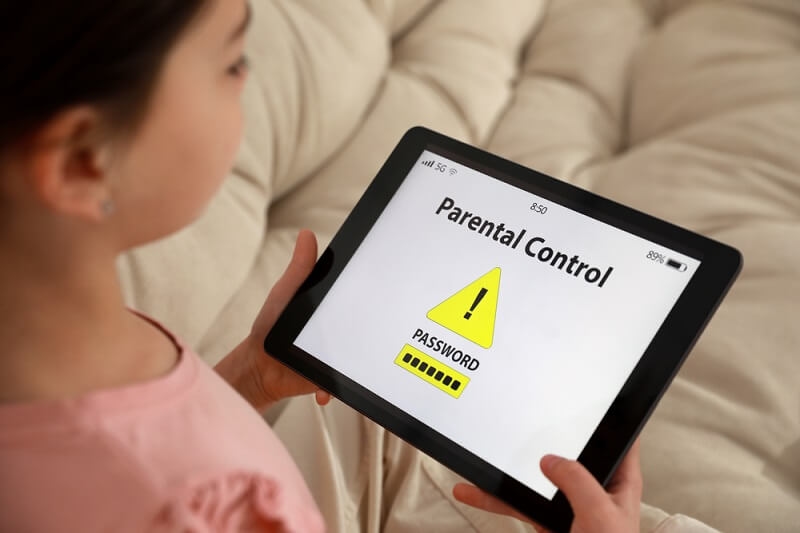
Many modern devices include built-in parental features. Apple Screen Time and Google Family Link allow parents to monitor usage, approve downloads, and set screen limits.
Additional parental control apps provide further guidance.
Popular options include:
These apps help parents notice warning signs such as cyberbullying or risky searches.
Kid-Friendly Platforms And Safe Browsers
Another layer of protection comes from platforms designed for children.
Examples include:
- YouTube Kids
- Google SafeSearch filters
- Kiddle search engine for children
These services reduce exposure to harmful content. They do not eliminate risk entirely, but they make the internet far more manageable for younger users.
Teaching Long-Term Cyber Safety For Kids
Online safety is not a one-time conversation. Technology evolves quickly, and children grow even faster. What begins as basic guidance eventually becomes digital responsibility.
Kids should understand that online actions leave lasting impressions. Photos, comments, and posts create digital footprints.
Questions like:
- Would I say this face-to-face?
- Could this embarrass someone later?
- Would a teacher or parent approve of this post?
These small pauses build thoughtful internet habits.
Also Read: How To Stay Safe On The Internet: Security Update Guide
Conclusion
The web presents great possibilities for learning, innovativeness, and bonding. Children are able to find new interests, team up with peers, and form relationships with others who are far away.
Nevertheless, such opportunities need to be led.
The internet safety of children can be enhanced when parents are keen on what their children are doing online. A safer environment is created with the help of making rules clear, open discussions, and smart technology. Children in the long run also have instincts that enable them to detect danger and make reasonable choices.
FAQs
What Is Internet Safety When You Are a Kid?
Knowledge about internet safety among children involves educating the children to use the internet responsibly to evade the dangers of scamming, cyberbullying, and unsafe sites.
At What Age Must Parents Teach about Digital Safety?
At the age of five or six, children are able to start learning the simplest rules of the Internet. Easy teachings on privacy and sharing can be used to develop good habits at an early age.
What can the Parents Do to monitor their child online?
Such tools as Google Family Link or Apple Screen Time can be used by the parents to develop open-ended discussions about applications, games, and online experiences.
What can children do when someone makes them feel uncomfortable online?
There is no longer any need to respond, block, save evidence when possible, and immediately inform even a parent, teacher, or a trusted adult.