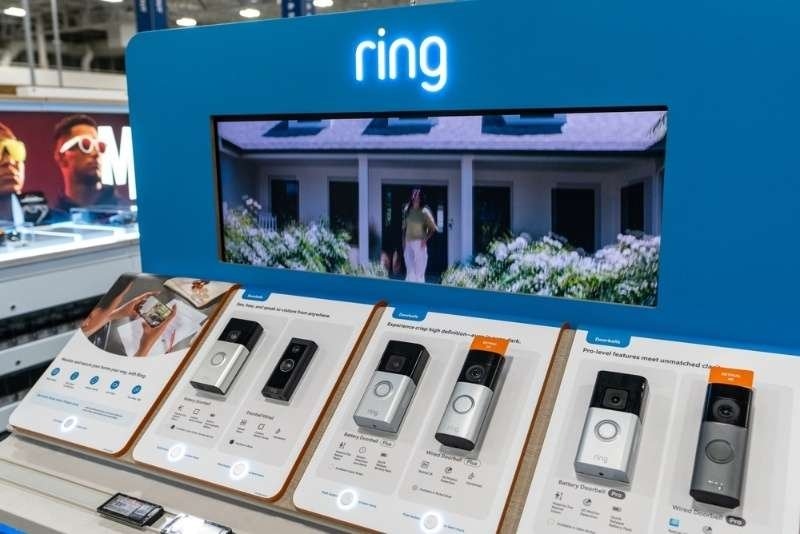
Protecting your home matters, but picking the right gear can feel overwhelming. People constantly compare these two major brands because they dominate the market today. Both companies belong to Amazon, yet they serve entirely different needs. Finding the best fit depends entirely on your budget and how much setup work you actually want to do.
In this blog, you will find everything about blink vs. ring security cameras.
Must Read: Essential Guide: Setting Up Home Security Cameras Safely
Understanding all the Blink vs. Ring Pros and Cons
When you look closely at the Blink vs. Ring pros and cons, the differences jump out right away. Blink focuses heavily on keeping your upfront costs down. Their cameras run on standard AA lithium batteries that last up to two full years, making installation dead simple anywhere outside your home. However, they lack professional monitoring options and advanced smart integrations.
Ring takes the exact opposite approach. You get premium features like continuous recording, wider viewing angles, and the option to call the police instantly if someone breaks in. The downside is that you pay a much higher premium for the heavy hardware, and the internal battery life drains much faster than the cheaper alternative system.
Blink vs. Ring Security Cameras: Which is Better?
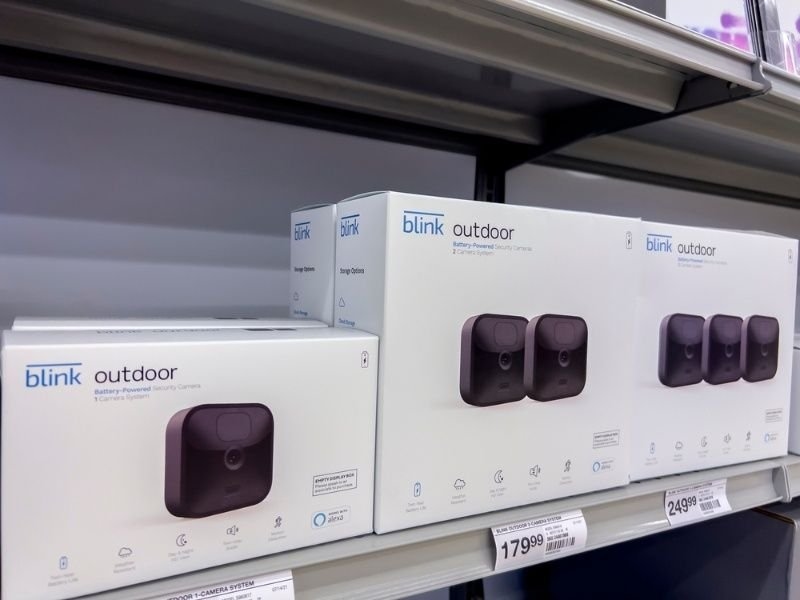
To figure out which is better, Blink vs. Ring security cameras, you have to look at your exact daily routine. One brand works perfectly for a basic setup, while the other builds a massive smart home network. Review these specific points below to decide what you actually need:
1. Hardware Pricing and Affordability
Blink wins this category without a fight if you want to save cash right away. You can easily find their entry-level indoor cameras for under forty dollars on sale. Buying enough cameras to cover your whole house costs a fraction of what you would spend on premium competitors. On the other hand, Ring charges almost double for its basic starting equipment. That difference adds up fast.
2. Video Quality and Field of View
Ring pushes better camera technology inside almost every single model they sell to consumers. You capture wider viewing angles. This means one outdoor camera covers the entire driveway without a problem. Many of their newer doorbells even record in sharp 4K resolution today. The cheaper brand still shoots clean HD video. However, it misses those wide peripheral details.
3. Professional Monitoring Options
A lot of homeowners want a dedicated security team watching their property around the clock. Ring offers a premium professional monitoring tier to handle exactly that. They dispatch emergency services if an alarm triggers while you sleep. Blink never calls the police for you under any circumstances. You have to monitor the mobile alerts yourself. Then you decide if a threat looks real.
Blink vs. Ring Subscription: Things You Must Know
You end up with major blind spots around your property if you skip the cloud plans. Refusing to pay the monthly fees means you miss out on the absolute best features. Read these points to understand the Blink vs. Ring subscription rules:
1. Basic Functionality Without Paying
Both systems let you view the live camera feed for free. You do not need a paid plan at all if you just want to see who rang the doorbell right now. Neither company saves those video clips unless you hand over some cash, though. A thief could steal a package off your porch. You would have zero proof to show the police later.
2. Local Storage Alternatives
Many budget shoppers love finding smart ways to dodge the monthly cloud fees. Blink sells a small sync module that accepts a standard USB flash drive. This simple setup saves your video clips directly inside your house for free. Ring forces you to buy their expensive alarm base station to unlock those same local saving features.
3. Extended Warranty Coverage
Electronic devices sitting outside in the brutal weather will eventually break down. Upgrading to the higher subscription tiers for either brand extends your original hardware warranty. The coverage lasts indefinitely as long as you keep paying the monthly fee. The company replaces broken cameras without a massive hassle.
Top Pick: Wired vs. Wireless Security Cameras: What To Expect?
What Impacts the Blink vs. Ring Subscription Cost?
Mapping out your long-term budget is crucial before buying the hardware. Knowing exactly what impacts the Blink vs. Ring subscription cost saves you from nasty billing surprises next year. Review these important details below to understand the pricing setup:
1. Number of Active Cameras
Both companies use a tiered pricing system based directly on how much gear you own. The absolute cheapest plans only cover a single camera or video doorbell. You must upgrade to the unlimited household plan to record everything once you add a few backyard cameras. This unlimited tier costs around ten dollars a month for both brands.
2. Professional Security Upgrades
Hiring a virtual security guard changes your monthly bill entirely. Ring charges twenty dollars a month for their top-tier professional monitoring service. This massive price jump covers the cost of real humans watching the alarm signals. The budget competitor keeps their highest tier cheap because they never offer professional monitoring at all.
3. Cellular Backup Features
A security system becomes completely useless if your home internet drops out during a bad storm. Ring includes a cellular backup feature in its most expensive subscription package to fix this flaw. The cameras use local cell towers to stay online and record footage safely if your Wi-Fi dies.
Conclusion
You just need a security setup that actually works for your house. Winning the Blink vs. Ring security cameras debate depends entirely on your current budget and how much setup time you have right now. Grab the battery-powered gear if you want to save cash and skip the annoying wiring process completely. Pay for the premium system if you want real dispatchers watching your back at night.
Frequently Asked Questions
1. Is a Blink camera better than a Ring?
It beats the competition entirely if you care strictly about your budget. You spend way less money upfront and never have to recharge heavy battery packs. It is the perfect choice for basic monitoring without any complicated smart home setups.
2. When do Blink cameras suit the situation?
These cheap devices work perfectly for renters or people who hate wiring things to a wall. You can stick a battery-powered camera in a tree or on a back fence in two minutes. The simple app makes checking on your yard incredibly fast and easy.
3. What are the best uses of Ring cameras?
You want this premium gear when you plan to build a massive security network for a large house. Connecting their doorbells, floodlights, and alarm sensors together gives you complete control over your property.