Biometric Locks Guide for Safe, Smart Access Control
Author: Arshita Tiwari on Nov 28,2025
Security has changed. Traditional keys still exist, but more homes and businesses are shifting toward biometric locks. A biometric lock does not rely on metal keys or PIN codes. It relies on something you do not lose. Your fingerprint. Your face. Your identity. Users pick them for speed and convenience, but there is also hesitation. People want to know the pros and cons of biometric locks before investing. They want to know if fingerprint door locks are safe and whether these systems fail in real scenarios. This guide gives clear answers without fluff. Just facts, real value, and practical takeaways.
What Are Biometric Locks
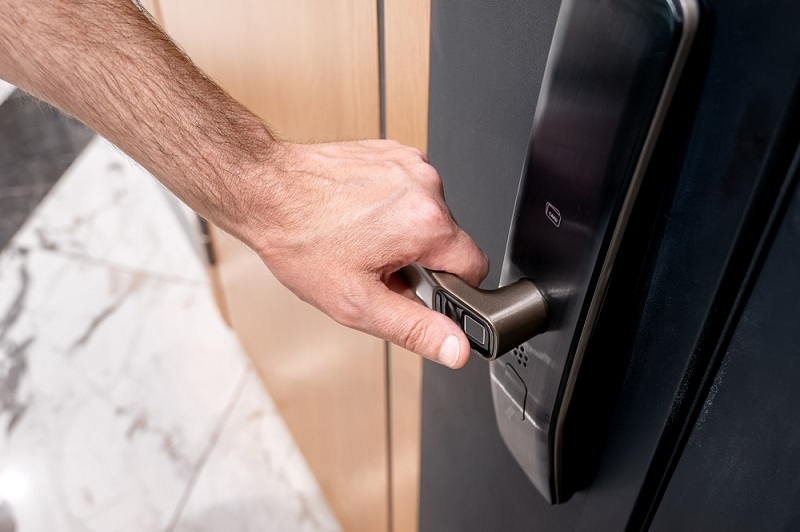
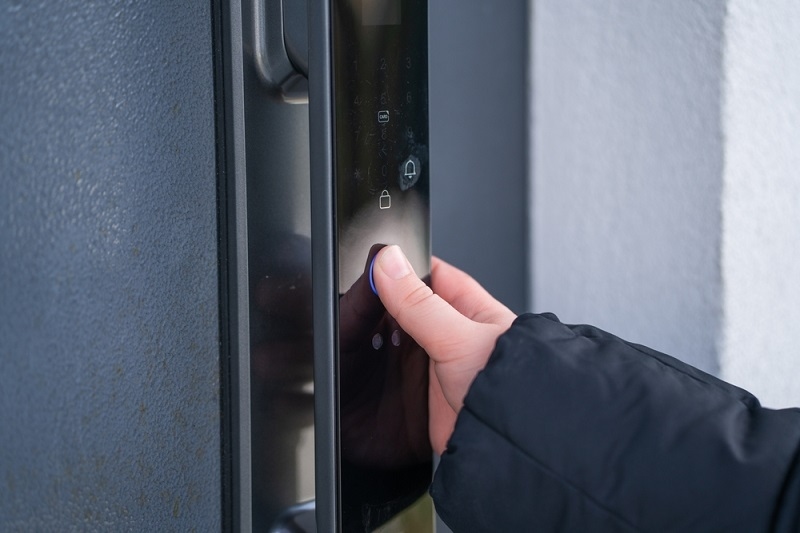
Biometric locks use physical or behavioral traits to authenticate someone. The most common version is a fingerprint smart lock. You touch the sensor, it scans the patterns and grants access if the match exists. No digging for keys. No resetting forgotten PINs. Just one touch.
Types of biometrics used today:
Fingerprint scanning
Facial recognition
Iris or retina detection
Voice or pattern recognition (less common)
People choose biometric locks because the features are built around simplicity. One registered fingerprint is enough to unlock a home. This is the point where convenience meets security.
How Does a Biometric Lock Work
Understanding how does a biometric lock work helps you trust the device on your door. The process is simple but smart.
Step 1: Enrollment
The user scans their fingerprint or face during setup. The system stores a secure digital template. It does not store a raw fingerprint photo. Instead, it keeps encrypted points of reference.
Step 2: Authentication
When you touch the sensor again, the live scan is measured against the stored template. If both patterns align, the door opens. If not, access is denied.
Step 3: Access Control
High quality biometric locks offer logs, time stamping, or remote control. This is common in offices and rentals. You see who entered and at what time.
People search for this topic a lot. The pros and cons of biometric locks are what most buyers want to see clearly before paying for installation.
The Pros
1. Convenience that beats keys You wake up. You step out. No need to carry a metal key. No key lost during travel or late night returns. Access is in your hands literally.
2. Higher resistance to duplication Keys can be copied. PINs can be shared. But biometric patterns are personal. This increases safety and reduces casual break ins.
3. Faster access Touch and enter. No fumbling. No memory games. In offices with many employees this saves minutes every day which adds up across a year.
4. Better user management You can add or remove access any time. This matters for hotels, hostels, cowork spaces, rentals and even joint family homes.
5. Multiple fingerprints support You can add multiple fingerprints to a smart lock. If five people live in a house, each person gets registered. If one moves out, you revoke access with a tap. No rekeying. No locksmith calls.
The Cons
The pros and cons of biometric locks exist together. Positive features come with limitations.
1. They cost more upfront A regular lock is cheap. A biometric lock requires sensors, chips and integration. You pay more initially for technology. Some buyers hesitate here.
2. Power dependency If the battery drains or the device glitches, you need a backup unlock method. Good products offer mechanical key override or PIN access.
3. Fingerprint scan failures happen Wet fingers. Damaged skin. Dust. Low light during facial scans. These factors occasionally block recognition. It is not frequent, but it exists.
4. Privacy questions Some people worry about where fingerprint data goes. Quality locks store templates locally and encrypted, but cheaper products might not. Always verify this before buying.
5. Weather and durability issues Not every model is built for extreme heat or rain. Outdoor locks need higher-grade material and IP ratings to last.
Many people ask one core question. Are fingerprint door locks safe or are they oversold? The honest answer. They are safe for most personal and commercial uses when you choose a reliable brand.
Why they are considered safe:
Fingerprints are difficult to duplicate
Most locks encrypt stored biometric templates
No one can guess or steal a password that does not exist
However, nothing in security is absolute. A biometric lock reduces casual break ins. It does not eliminate all risks. A thief targeting a property specifically will always try multiple paths phishing keys, breaking doors, tampering hardware. A biometric lock strengthens one layer, not the entire security ecosystem.
Think of it like this. A strong lock is effective, but adding CCTV, alarms or motion sensors creates a complete shield. One tool cannot do everything alone.
Can You Add Multiple Fingerprints To A Smart Lock
This feature matters for families and shared properties. Yes, you can add multiple fingerprints to a smart lock. Most modern biometric locks support 20 or more user fingerprints. Some go well beyond. This is why rentals and offices rely on them.
Benefits of multi fingerprint support:
No key handovers
No copies floating around
Clean user exit management
Perfect for guest stays or staff rotation
Example. A small office has 12 employees. Instead of giving 12 physical keys, the manager registers each fingerprint. If someone resigns, access is removed instantly. If interns come in for two months, they get temporary entry. This is efficient.
Who Should Consider Biometric Locks
Biometric locks are best for people who value comfort, modern access and ease of control. Consider them if:
You forget keys often
You have multiple family members
You manage guests, tenants or staff
You want faster entry for everyone
You want to avoid manual rekeying
Match the product to your lifestyle. Do not buy tech just because it looks futuristic. Buy it because it solves a real problem for you.
Biometric locks offer a strong mix of simplicity, control and efficiency. They remove dependence on metal keys and passwords. They suit modern homes, rentals and offices that value clean access management. The pros and cons of biometric locks show that reliability, privacy and power dependency must be understood before installation. If you pick a trusted brand and maintain the system, fingerprint door locks are safe for everyday use. You can add multiple fingerprints to a smart lock which makes access flexible and practical for shared properties.
Biometric locks are not a trend. They are a shift. They are changing how we secure spaces and how we think about identity based entry.
FAQs
Some of the frequently asked questions are:
What is a biometric lock?
A lock that uses fingerprints, face, or iris patterns instead of keys or PINs. Access works only when the biometric matches the stored profile.
What is a weakness of biometric locks?
They depend on sensor accuracy. Wet fingers, dust, or low battery can cause recognition issues.
How safe are biometric locks?
Safe for home and office use, especially when they use encrypted storage and high quality sensors.
Which digital lock is best in India?
Brands like Yale, Godrej, Qubo, and Samsung are common picks. Choose based on features, battery life, support, and user needs.