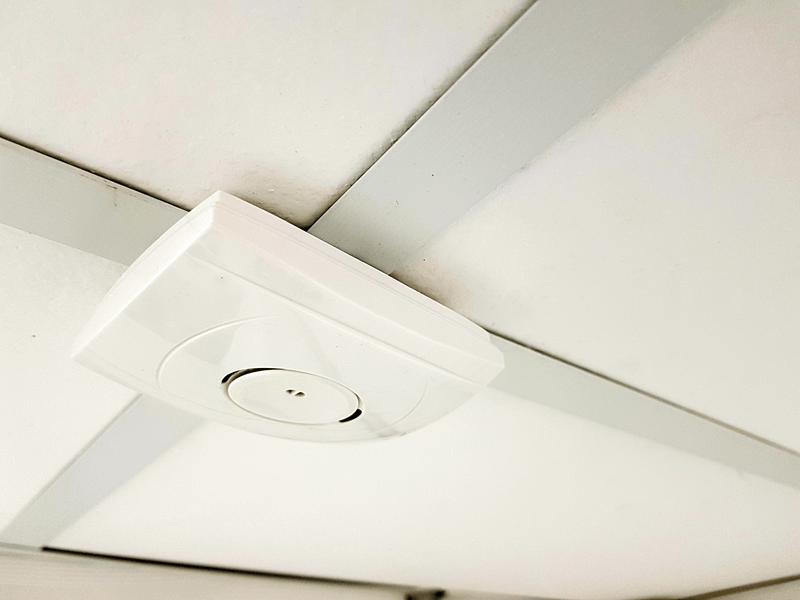
Home security usually starts with locks, cameras, and motion sensors. What many people miss is window protection. A window can be broken quietly and quickly, especially on the ground floor. That is where a glass break sensor becomes important.
This article explains what a glass break sensor is, how it actually works, and when it makes sense to use one. The focus stays practical. No fluff. Just clear information that helps you decide if this sensor fits your home security setup.
What Is a Glass Break Sensor and Why It Exists
A glass break sensor is a security device designed to detect glass shattering. The moment glass breaks, the sensor triggers an alarm or sends an alert through your security system.
You may also hear it called a glass break detector. Both terms mean the same thing. These devices are commonly used in homes with large windows, sliding glass doors, or fixed glass panels that cannot be protected by standard contact sensors.
Most break-ins through windows involve smashing glass instead of opening it. A glass break sensor responds to that exact moment, not after someone steps inside.
Top pick: Biometric Locks Guide for Safe, Smart Access Control
How Glass Break Sensors Work in Real Life
To understand how do glass break sensors work, think about what happens when glass breaks. There is a sharp impact sound followed by shattering. In some cases, there is also strong vibration.
Glass break detectors are built to recognize these signals.
Sound Detection
Sound based glass break sensors use microphones. They listen for specific sound patterns that match breaking glass. Modern sensors are tuned to ignore common household noise like clapping, dropped objects, or loud voices.
One sound based glass break sensor can usually protect several windows in the same room, as long as there are no walls blocking the sound.
Vibration Detection
Shock or vibration sensors attach directly to the glass. When the glass is struck or shattered, the vibration triggers the alarm.
These glass break detectors are simple and direct, but they normally protect only one window at a time.
Combined Detection
Some systems use both sound and vibration. These models trigger only when both signals match. This approach reduces false alarms and improves accuracy.

Glass Break Sensor vs Other Security Sensors
Many people assume motion sensors are enough. They are not always.
Here is how each sensor works:
- Contact sensors alert you when a window or door opens
- Motion sensors alert you after someone is already inside
- Glass break sensors alert you at the moment the glass breaks
This timing matters. A glass break sensor gives you an early warning. That early alert can scare off intruders before they enter or give monitoring services more time to respond.
Also check: Home Safety at Night: Practical Ways to Protect Your Home
Glass Break Sensor for Home Security Use Cases
A glass break sensor for home security is most useful in specific situations.
Common examples include:
- Living rooms with large street facing windows
- Sliding glass doors that stay closed but are easy to break
- Basement windows
- Homes where motion sensors are turned off while people are inside
In these cases, glass break detectors stay active without interfering with daily movement inside the house.
Types of Glass Break Sensors You Can Buy
There is no single option that works for every home. Each type has a clear purpose.
Acoustic glass break sensor
- Mounted on walls or ceilings
- Covers multiple windows
- Easier installation
- Depends on sound travel
Shock glass break detector
- Installed directly on glass
- Detects impact and vibration
- One sensor per window
- Very direct detection
Dual technology sensor
- Uses sound and vibration together
- More precise
- Fewer false alerts
- Often costs more
Choosing the right type depends on window layout, room size, and budget.
What to Look for in the Best Glass Break Sensor
The best glass break sensor is not the one with the most features. It is the one that fits your space and works reliably.
Things that matter:
- Detection range that matches your room size
- Adjustable sensitivity
- Strong battery life
- Wireless connection if you prefer simple installation
- Compatibility with your existing security system
Avoid choosing a sensor based only on brand name. Performance and placement matter more.
Choosing the Best Glass Break Sensor for Your Home
Before buying, walk through your home.
Ask simple questions:
- Which windows are easiest to reach from outside
- Which rooms have multiple glass surfaces
- Where sound travels clearly without walls in the way
For a room with several windows, one acoustic glass break sensor may be enough. For a single vulnerable window, a shock based glass break detector may work better.
Many homes benefit from using both types in different areas.
Installation Tips That Actually Matter
Even a good sensor fails if installed poorly.
For sound based sensors
- Place on ceilings or high walls
- Keep within recommended distance from glass
- Avoid placing near speakers or televisions
For shock sensors
- Clean the glass before installation
- Follow placement guidelines from the manufacturer
- Test sensitivity after setup
Testing is important. Use approved testing methods to confirm the glass break sensor reacts correctly.
Common Mistakes People Make
Some problems come up often.
- Installing too far from the window
- Setting sensitivity too high
- Expecting one sensor to cover the entire house
- Relying only on glass break detectors without other sensors
A glass break sensor works best as part of a system, not alone.
Practical Example of Glass Break Sensor Use
Imagine a living room with three large windows facing the road. Adding one glass break sensor on the ceiling allows coverage for all three windows. If someone attempts to break the glass, the alarm triggers instantly.
Without that sensor, the system may stay silent until motion is detected inside. By then, entry has already happened.
This is why many security experts recommend glass break sensors as an added layer.
You may also like: What are the Benefits of Smart Security System for Seniors?
Final Thoughts on Glass Break Sensors
A glass break sensor focuses on one specific risk. Broken glass. It does that job well when installed correctly.
Understanding what is a glass break sensor and how do glass break sensors work helps you avoid poor buying decisions. There is no need to overcomplicate it.
Choose the right type. Install it properly. Use it alongside contact sensors and motion detectors.
For many homes, a glass break sensor for home security is not optional. It fills a real gap and provides early warning when it matters most.
FAQs
Do glass break sensors work on all glass?
They work best on standard and tempered glass. Laminated glass may need specific sensor types.
Can a glass break sensor replace window sensors?
No. Glass break sensors detect breaking. Contact sensors detect opening. Both work better together.
How many glass break sensors do I need?
One acoustic sensor can cover a room. Shock sensors usually need one per window.