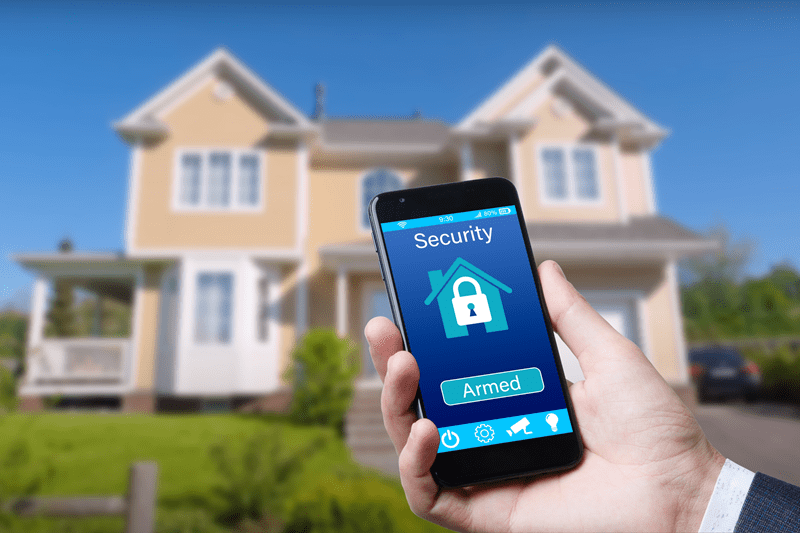
Home security is not about installing a device and forgetting about it. It is about how quickly something is noticed, who responds, and whether the system actually works when it is needed. That is why the choice of a home security service provider matters as much as the equipment itself.
Most homeowners begin by looking at cameras or alarms. The smarter approach is to first understand how providers operate, what they are responsible for, and how their service fits into daily life. This guide explains that clearly, without sales talk or technical overload.
What a Home Security Service Provider Actually Handles
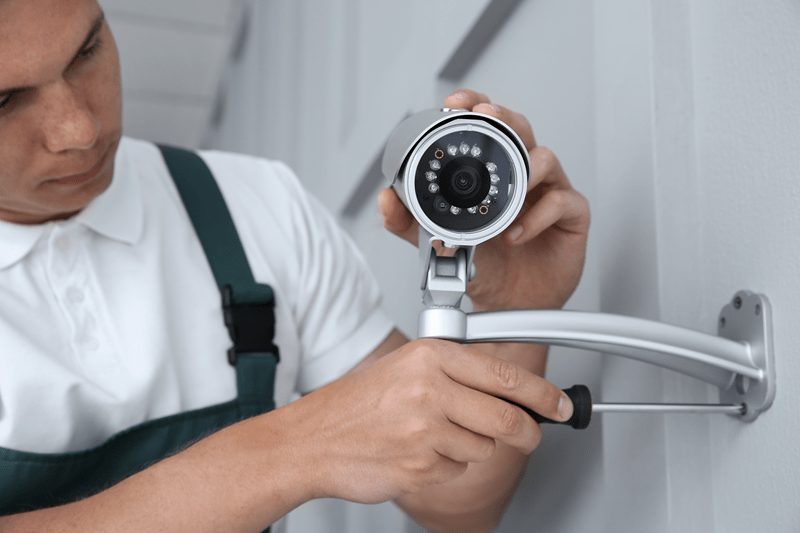
A home security service provider is responsible for far more than selling hardware. They design the system, manage alerts, support the software, and in many cases monitor your home around the clock.
A reliable home security service provider ensures that:
- Sensors trigger correctly
- Alerts reach the right place
- Monitoring centers respond on time
- The system keeps working months and years later
This is why two systems with similar devices can perform very differently depending on the provider behind them.
Top pick: Biometric Locks Guide for Safe, Smart Access Control
Home Security Service Provider Responsibilities You Should Expect
When evaluating a home security service provider, focus on service consistency rather than promises.
Key responsibilities include:
- System setup that matches your home layout
- Stable connectivity for alerts and monitoring
- Ongoing support and troubleshooting
- Clear escalation during emergencies
The best home security services treat security as a process, not a one time installation.
How to Choose a Home Security System Without Overcomplicating It
Understanding how to choose a home security system becomes easier when you stop comparing features and start comparing outcomes.
Start with these basics.
Identify what you want protected
Every home is different. Apartments, standalone houses, and gated communities face different risks. How to choose a home security system depends on entry points, surrounding activity, and how often the home is unoccupied.
Decide how involved you want to be
Some people want full control through an app. Others prefer professionals handling alerts. This choice directly affects whether you need 24/7 home security monitoring or self monitoring only.
Match the system to daily habits
A system that is difficult to arm or manage will be ignored. How to choose a home security system also means choosing something you will actually use every day.
Why Wireless Home Security Systems Dominate Modern Homes
Most new installations now rely on wireless home security systems, and there is a reason for that.
Wireless systems are easier to install, simpler to expand, and less disruptive to the home. They work well for both owned and rented properties.
Benefits of wireless home security systems include:
- No internal wiring work
- Faster setup time
- Easy relocation of sensors
- Better compatibility with mobile apps
Wireless home security systems also make upgrades simpler when your needs change.
Don’t Miss: Home Safety at Night: Practical Ways to Protect Your Home
Why 24/7 Home Security Monitoring Is Still Critical
Alerts alone do not stop emergencies. Someone has to act on them.
24/7 home security monitoring ensures that alarms are reviewed immediately, even if you miss a notification or cannot respond. Monitoring centers verify alerts and contact emergency services when required.
For families, frequent travelers, and elderly homeowners, 24/7 home security monitoring adds a layer of protection that apps alone cannot replace.
Most best home security services include professional monitoring because it reduces response time during real incidents.
What Separates the Best Home Security Services From the Rest
The best home security services focus on reliability, not marketing claims.
What you should expect from the best home security services:
- Consistent monitoring performance
- Clear communication during alerts
- Transparent pricing structures
- Support that is reachable when needed
The best home security services invest in infrastructure and response quality rather than flashy add ons.
Costs and Value From a Practical Perspective
Home security pricing varies widely. What matters is whether the cost aligns with the level of protection.
Lower cost plans may skip professional monitoring. Higher priced plans may bundle unnecessary devices. The best home security services balance affordability with dependable coverage.
Pay attention to:
- Monthly monitoring fees
- Equipment ownership terms
- Contract flexibility
- Cancellation policies
These details matter more than introductory discounts.
Home Security Provider Checklist for Smarter Decisions
Using a home security provider checklist helps you compare options without emotional bias.
Home security provider checklist
- Offers reliable 24/7 home security monitoring
- Uses modern wireless home security systems
- Clear pricing with no hidden fees
- Mobile app with real time alerts
- Expandable system options
- Responsive customer support
- Reasonable contract terms
A home security provider checklist keeps the focus on protection, not promotion.
Common Mistakes Homeowners Make
Many homeowners rush this decision.
Common mistakes include:
- Choosing the cheapest option without checking monitoring quality
- Ignoring long term service support
- Overbuying equipment
- Skipping the home security provider checklist entirely
Avoiding these mistakes leads to better outcomes and fewer issues later.
You may also like: What are the Benefits of Smart Security System for Seniors?
Bringing It All Together
Choosing a home security service provider is about trust, response, and reliability. Devices can be replaced. Poor service cannot.
When you understand how to choose a home security system, evaluate wireless home security systems realistically, and rely on a clear home security provider checklist, the decision becomes straightforward.
The goal is not to feel secure for a week. It is to stay protected every day without constant effort.
FAQs
What does a home security service provider do?
A home security service provider supplies the system, manages alerts, and often delivers 24/7 home security monitoring. They are responsible for system reliability and emergency response coordination.
Are wireless home security systems dependable?
Yes. Wireless home security systems are widely used because they are stable, flexible, and easy to maintain. Most best home security services now rely on wireless setups.
Is professional monitoring necessary?
For many households, yes. 24/7 home security monitoring ensures alerts are handled even if you cannot respond, making it a critical part of modern home protection.