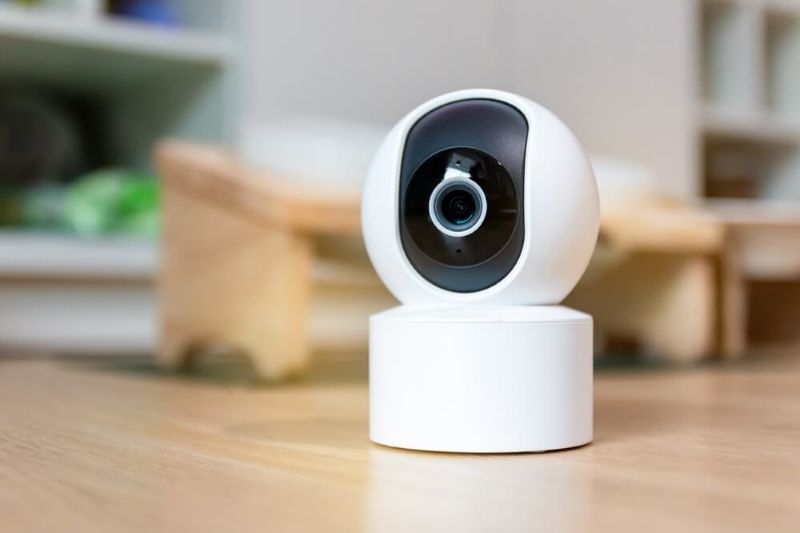
Smart home security helps protect living spaces using connected tools that support awareness and daily safety. It can help caregivers stay informed even when they are not physically present.
This blog explains how smart systems improve senior home safety, and it can strengthen family caregiver support. You will also find out how it can help in managing daily responsibilities through simple and practical methods that fit real caregiving routines.
Must Read: Home Safety at Night: Practical Ways to Protect Your Home
Understanding the Importance of Smart Home Security
Caregiving is not only about being present. It is also about knowing what is happening when no one is watching. Smart home security plays an important role in this balance. It provides quiet, steady monitoring that supports daily awareness without interrupting normal life.
Many caregivers manage responsibilities from a distance. Some live in another home. Others balance work and family while still caring deeply about safety. Smart systems help bridge that distance by offering updates that reflect real activity inside the home. These updates help caregivers feel connected without constant calls or visits.
Another key reason smart home security matters is consistency. The system works the same way every day. It does not miss details due to distraction or fatigue. That reliability helps caregivers trust the setup and rely on it as part of their routine.
Over time, smart home security becomes less noticeable and more supportive. It fades into the background while still doing its job. This helps caregivers focus on people, not problems, and respond with clarity when attention is needed.
What are the Benefits of Senior Home Safety?
Senior home safety focuses on reducing daily risks while keeping the home comfortable and familiar. These benefits support caregivers and allow smoother daily care.
Reduced Daily Risks
Senior home safety helps lower everyday risks that often go unnoticed. Monitoring movement and access helps caregivers recognize irregular activity early. This early awareness supports timely action and reduces sudden situations that may cause stress or harm.
Better Routine Awareness
Daily routines offer valuable insight into well-being. Safety systems help caregivers observe normal patterns over time. When routines shift, caregivers can respond calmly instead of reacting late. This leads to better planning and more thoughtful care.
Improved Peace of Mind
Caregivers often carry quiet worry, especially when they are not nearby. Knowing safety tools are active provides reassurance. This peace of mind allows caregivers to focus on emotional support and communication instead of constant concern.
Support for Independent Living
Safety does not mean control. With proper systems in place, seniors can continue daily activities independently. Caregivers stay informed without interfering. This balance protects dignity while maintaining safety.
Factors to Consider for Family Caregiver Support
The following list explains the different factors that you need to consider for family caregiver support:
1. Easy Use in Daily Life
The devices must be simple enough for use without constant adjusting. Intuitive interfaces and clear alerts help conserve time, so that caregivers can continue to focus on their reliant rather than fighting technology.
2. Clear Access to Information
Support improves when information is clear. An alert notification must indicate what is happening to avoid any confusion or misconception about a patient’s condition. Caregivers must be able to make clear decisions based on such information.
3. Flexible Monitoring Options
The care processes change over time, and so should the monitoring processes. If changes are required, they should be made without interruptions that are disruptive. This will provide care flexibility for those who need it, to help with long-term care without stress.
4. Consistent Daily Performance
Caregivers rely on systems that will function well. A good system makes the caregiver certain and boosts their confidence. Caregivers will always feel supported when things work as they originally planned.
Top Features of a Smart Home for Seniors
A smart home for seniors includes practical features designed to support safety while keeping daily life comfortable. These features work quietly and steadily.
Motion Sensors
Motion sensors help track movement patterns inside the home. They provide useful insight into daily activity without being invasive. Caregivers can notice changes while respecting personal space.
Door and Window Sensors
These sensors monitor entry points and notify caregivers when access occurs unexpectedly. This added awareness supports calm responses and helps prevent confusion or unnecessary concern.
Smart Lighting Controls
Lighting affects safety more than many realize. Smart lighting reduces dark areas and supports safe movement at night. It also helps maintain comfort during early mornings and evenings.
Mobile Alerts and Notifications
Alerts send updates directly to caregivers through simple notifications. These messages reduce constant checking. Clear alerts allow caregivers to stay informed while managing other responsibilities.
Practical Tips to Enhance Elderly Safety at Home
You can check the following list to understand the practical tips to improve elderly safety at home:
Keep Walkways Clear
Clear, unobstructed pathways minimize the risk of accidents and confusion. The reduction of clutter minimizes fall risks and builds confidence. Even small adjustments in layout can make all the difference.
Supports Stability
Consistent routines help caregivers know what's normal. When daily patterns remain stable, changes can be more easily identified, thus allowing quicker responses and better decisions regarding care.
Review Safety Settings Regularly
Care needs change with time. The settings check keeps systems useful and accurate, ensuring tools stay in step with everyday life.
How Can You Improve Home Security for Seniors: Step-by-Step
The following list of steps will help you understand how you can improve home security for seniors:
1. Assess Daily Needs
To begin with, one needs to have a feel for the routines, challenges, and concerns. From this assessment, one understands how closely one is required to monitor aspects. In cases where planning is meticulous, success is likely.
2. Choose Simple System Designs
Try to keep things simple so that confusion and unreliability can be reduced. Although the system works well when everything is clear, caregivers need a tool that feels friendly and user-centric.
3. Define Clear Alert Preferences
Personalize the alert to correspond to personal comfort. While receiving a flood of notifications can be stressful, a personalized alert will allow caregivers to remain fully informed without being distracted.
4. Regularly Test and Tweak
Regular tests verify that everything continues to operate properly. Smaller tweaks enhance precision. Regular reviews create and sustain an environment of trust.
Conclusion
Smart home security supports caregivers by improving awareness, reducing daily stress, and supporting stable routines. It helps maintain safety while respecting independence. With simple planning and reliable systems, caregivers can manage responsibilities calmly and confidently over time.
Frequently Asked Questions
1. Why is monitoring helpful in caregiving homes?
Monitoring helps caregivers notice changes early and respond before concerns grow.
2. Does smart monitoring reduce caregiver stress?
Yes, steady updates provide reassurance and reduce constant worry.
3. Can safety systems support independent living?
Yes, they allow freedom while keeping caregivers informed.