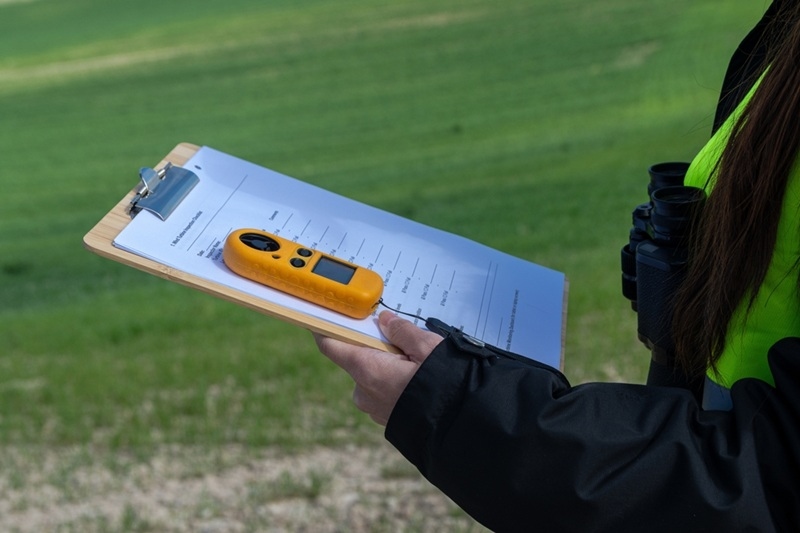
Environmental sensors are kind of like the backbone of our modern lives now, you know? With all the worries about pollution and climate change piling up, more and more people and businesses are jumping on the sensors today.
This blog post will dig into the different types of sensors out there, what they are good for, and will drop some examples to keep it all clear.
What Are Environmental Sensors?
These sensors are electronic gizmos that pick up on shifts in environmental conditions. You can find a bunch of things they track, like temperature changes, air pollution issues, how much moisture is in the air, the brightness of light, and even noise levels. Once they pick that up, the information gets sent to systems or devices that process and show it.
There is a growing buzz around needing sensors because folks want to be aware of what is happening in the environment right now. Whether it is governments, industries, or just everyday people, they depend on these sensors to manage safety, boost efficiency, and cut down on harming the environment.
Learn More: Wireless vs Wired Security Systems for Safer Home Choices
Types of Environmental Sensors
You would not believe how many types of environmental sensors there are! Each one is crafted for a particular task, and knowing the differences can really help you grab the right one for what you need.
1. Temperature Sensors
These sensors are all about measuring heat in the air. People use them everywhere, like in weather stations, industries, and even in cool tech for smart homes.
2. Humidity Sensors
These babies detect how much moisture is floating around in the air. Super handy in farming, places where stuff needs to be stored, and for keeping indoor climates comfy.
3. Air Quality Sensors
These sensors take a good look at pollutants like carbon dioxide and carbon monoxide, plus tiny particles. They are pretty crucial, especially in cities where air quality is a big issue.
4. Water Quality Sensors
These guys keep tabs on water conditions, checking things like pH levels and whether there is any contamination. You find them in water treatment plants and when they are doing environmental research.
5. Light Sensors
For instance, light sensors are excellent tools to gauge how intensely the light shines, which is a major factor in smart lighting systems as well as in agricultural decision-making.
6. Noise Sensors
The noise sensors function as ears that listen for the sounds around us, which is something that will benefit the urban planners and the factory managers.
If you decide to invest time in learning about the various types of environmental sensors, it will be quite revealing to you how these devices are utilized in different ways for monitoring our environment.
Giving a Candid Look at an Environmental Sensor
For instance, the air quality sensor is one of the most widely used types. It detects the presence of harmful gases and particles in the air. In case you are living in a metropolitan area, these sensors can help in identifying the level of pollutants and can even warn people when the quality of the air is becoming unsafe.
Another neat example is a soil moisture sensor that farmers rely on. They use it to figure out how wet or dry the soil is. This info totally helps them determine when it is time to water their crops, so they do not waste water or time.
These examples really illustrate just how handy these sensors can be in our lives.
What Are Environmental Sensors Used For?
People often wonder, what are environmental sensors used for? There are tons of different ways they are used across various sectors.
1. Environmental Monitoring
These sensors help keep track of what is happening with pollution levels in the air, water, and soil. This is super important for authorities who need to jump in and help reduce environmental harm.
2. Agriculture
Farmers entirely depend on sensor technology to monitor soil moisture, temperature, and humidity to increase production and eliminate waste.
3. Smart Homes
In a household environment, sensor technology works as a helper to manage the temperature, lighting, and air quality, which makes this environment comfortable and reduces energy consumption.
4. Industrial Use
These sensors are used in the industrial and manufacturing environment to ensure the safety of the workplace and to improve production.
5. Weather Forecasting
The weather forecasting departments utilize sensors to collect data about the weather, which allows them to accurately forecast events such as storms and rainfall.
Therefore, comprehending the benefits of environmental sensors really highlights their role in our everyday life when you examine all this.
Recommended Blog: Glass Break Sensor Guide for Smarter Home Security

Top Environment Sensors to Take Into Account
It is very important to understand what kind of requirements you have and where exactly you are going to install your sensor before making a decision about the best environmental sensors.
A few types are only apt for indoor environments, whereas others can handle exposure to extreme outdoors or factory environments.
Usually, good sensors have an air quality sensor that should deliver live updates and be simple to set up. Likewise, an accurate water quality sensor should be able to deliver exact measurements over time.
Selecting the right sensors is the key to getting both great performance and value for your money over time.
Benefits of Using Environmental Sensors
There are many advantages to using these sensors across different areas of life.
1. Better Decision Making
Sensors provide real-time data, helping individuals and organizations make informed decisions.
2. Improved Health and Safety
Air and water quality sensors help detect harmful conditions, protecting human health.
3. Energy Efficiency
Energy consumption is reduced by using sensors to automatically adjust system settings within intelligent technology.
4. Environmentally Friendly
By monitoring the environment, pollution can be reduced and resources saved.
5. Cost Reduction
Sensors help save the owner money by avoiding damage and increasing productivity.
Due to their advantages, sensors are rapidly being adopted worldwide.
Challenges and Limitations
While Environmental Sensors are highly useful, they also come with some challenges.
1. Initial Cost
High-quality sensors can be expensive to install.
2. Maintenance
Some sensors require regular calibration and maintenance.
3. Data Accuracy
Poor-quality sensors may give inaccurate readings.
4. Technical Knowledge
Users may need basic technical knowledge to operate and interpret data.
Despite these challenges, the advantages of Environmental Sensors often outweigh the drawbacks.
Read This One: What Happens If the Smart Lock Battery Dies and Simple Fixes
Final Thoughts
Environmental sensors are an excellent means of assessing environmental protection and the surroundings. These sensors have various uses, including detecting air quality in the home or as an aid to agriculture; therefore, these sensors serve to both illustrate their versatility and their effect.
As technology continues to develop and grow, these sensors will be increasingly critical in creating a safer and greener planet.
FAQs
In what way do Environmental Sensors assist us on a Day-to-Day Basis?
Environmental sensors help track the quality of the air around you, your temperature, and also provide readings on how humid it is inside your home. These sensors optimally coordinate to aid in making sure you remain comfortable, healthy, and can conserve energy while using it efficiently.
Are environmental sensors expensive to install?
Environmental sensors can be pricey initially. However, the good news is that one can find many inexpensive options. Besides delivering environmental benefits, these sensors can also save you money in the long run.
Can these sensors work without the internet?
They can be used without an internet connection, at least some of them, and they keep the data on the device locally. But having an internet connection opens up possibilities for real-time check-ups and controlling the device even when you are away, thus making them more handy and efficient.
How accurate are environmental sensors?
Generally, the accuracy of environmental sensors is linked to the quality and calibration. Although high-quality sensors give solid data, it's also crucial to keep them well-maintained through time so that you get consistent levels of performance.